
Control avoidable costs
Choose a solution that fits the work, and help limit waste, rework, and expenses that do not need to be incurred.
Practical Solutions for Construction & Infrastructure
At Stratiek, we focus on practical building solutions that help construction teams work more efficiently, reduce avoidable expenses, and protect people, property, and project capital.
From excavation support and dewatering applications to roadworks and infrastructure, we help clients explore solutions suited to their project requirements.
Practical solutions. More efficient execution. Reduced risk.
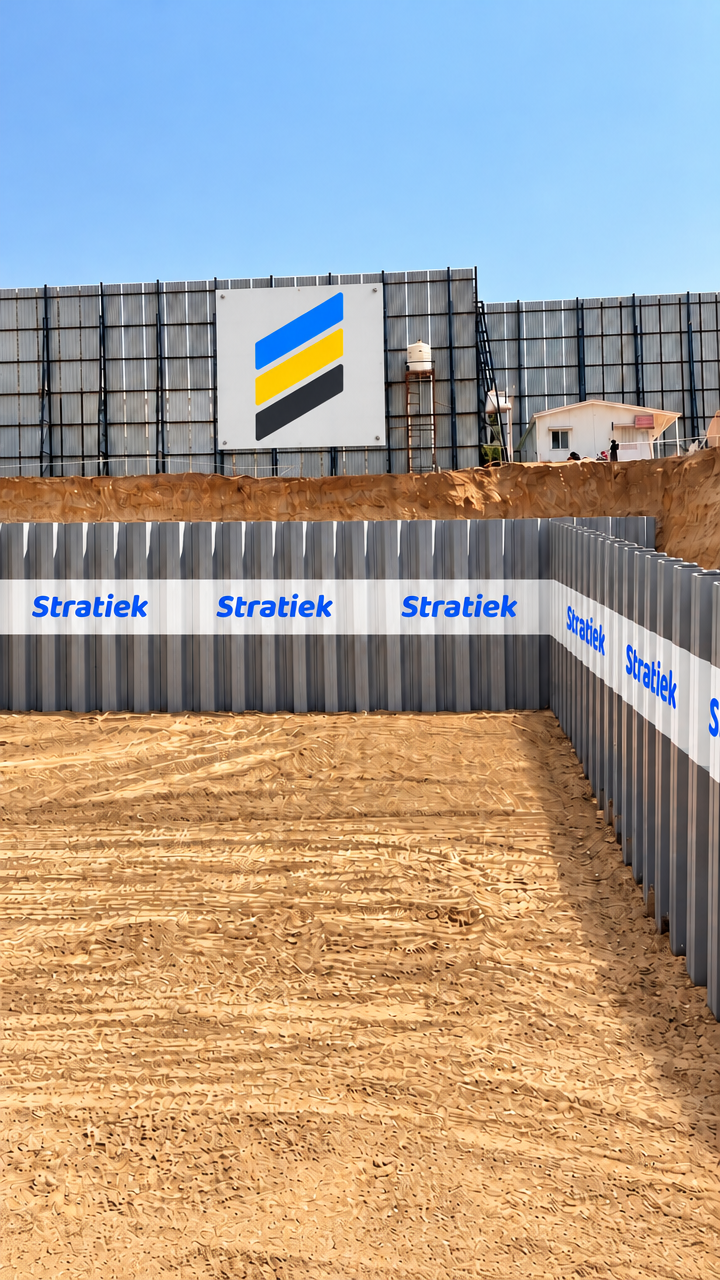
On construction sites, unsuitable solutions can lead to additional costs, rework, delays, equipment damage, property damage, and risks to workers.
The value of a solution goes beyond its purchase price. Handling, installation, labor, equipment, project conditions, and technical suitability all matter.
Choose a solution that fits the work, and help limit waste, rework, and expenses that do not need to be incurred.
Selecting a suitable excavation-support system and installing it to the engineering design and site requirements can help limit the risk of a sidewall collapse. It does not remove every hazard on site.
Practical solutions that crews can handle may help them organize the sequence of work and make better use of time and equipment.
Careful planning and site-risk management can reduce the chance of damage to equipment, nearby structures, and the project itself.
Stratiek focuses on practical solutions for selected construction and infrastructure applications, with an emphasis on handling, execution efficiency, and project suitability. Suitability depends on product specifications and engineering assessment.
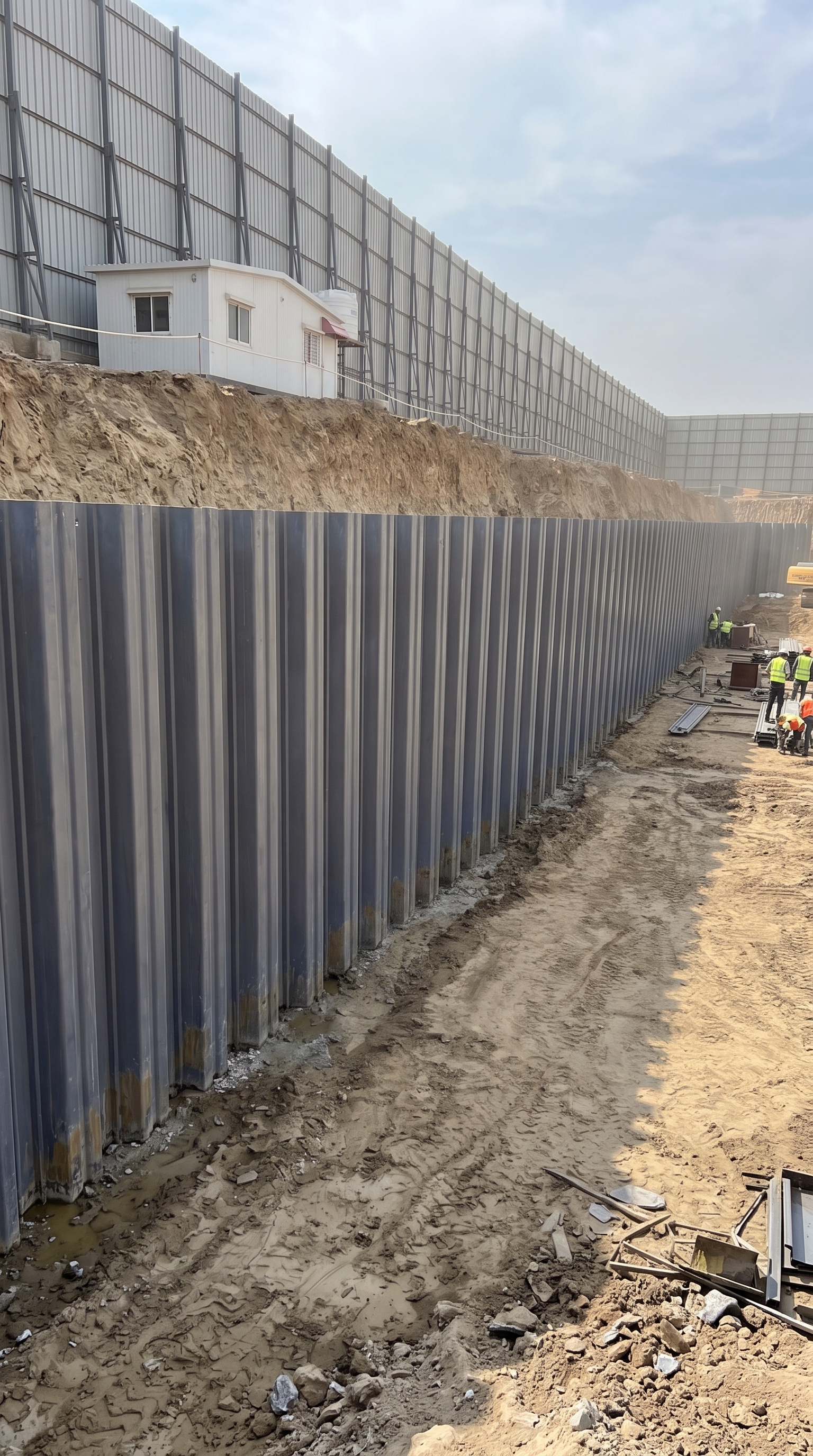
Interlocking FRP shoring panels that can form a support wall in suitable applications, according to the product specification and the engineering design.
Explore FRP shoring panels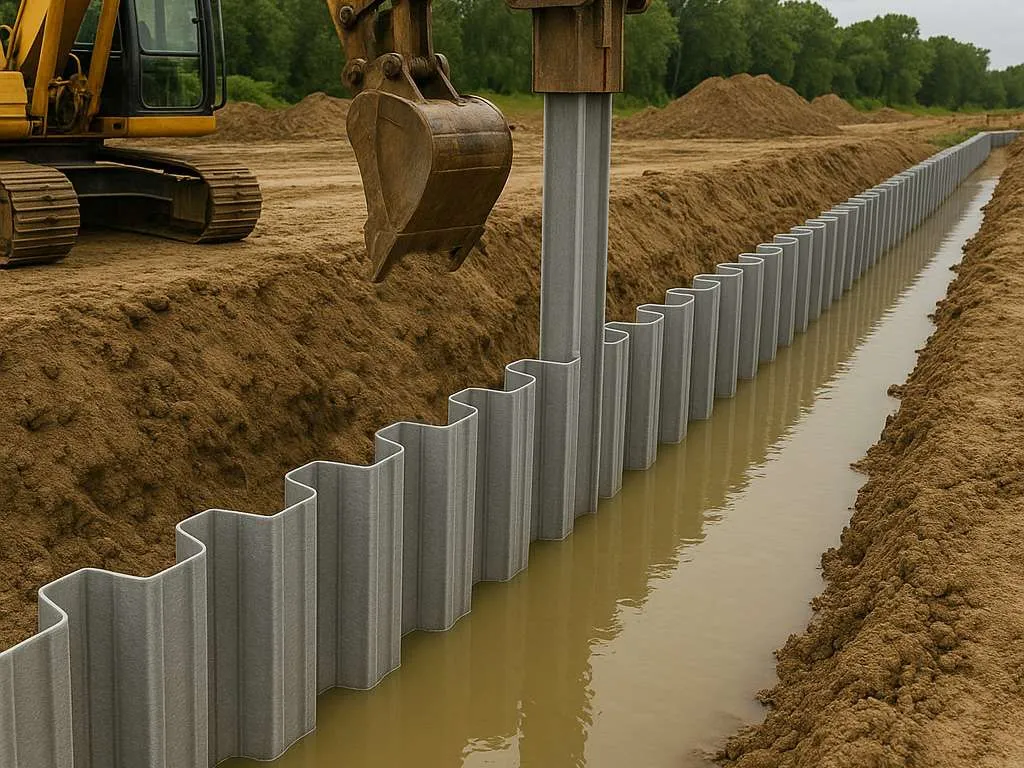
Products that can be considered within site water management and dewatering, depending on the system design and ground conditions. The panels alone are not a complete dewatering system.
Discuss your project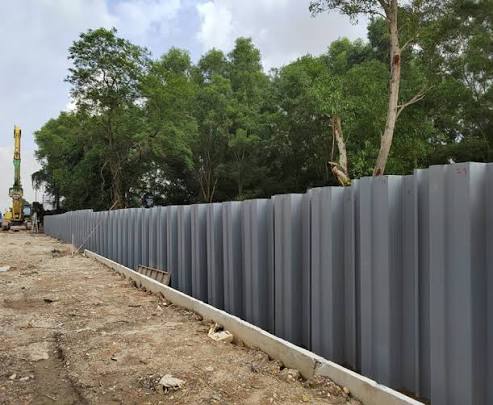
Options that can be studied for selected excavations tied to roads and utilities, in line with the approved engineering design.
See applications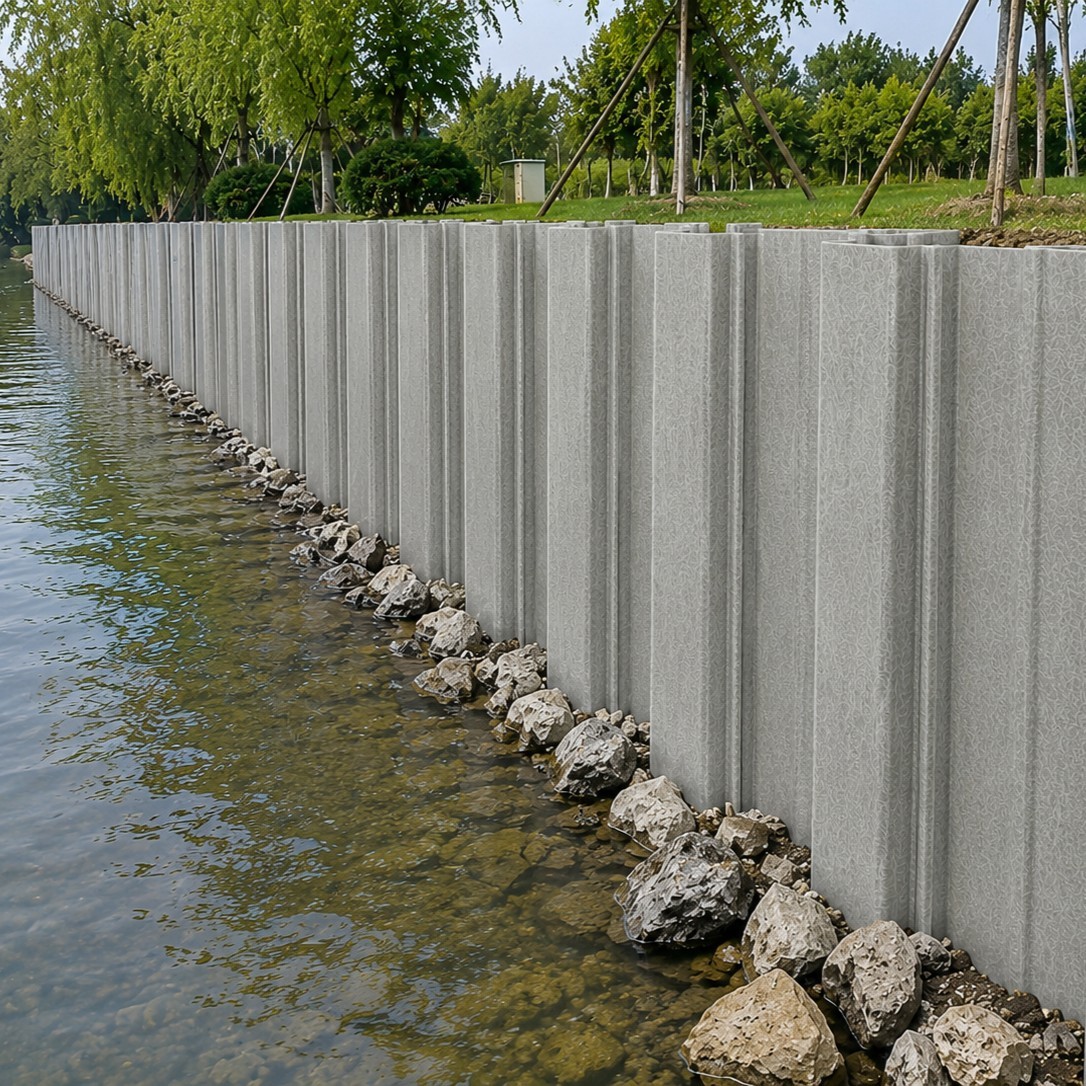
Applications that call for organizing an excavation boundary, supporting its sides, or managing water, after technical suitability is checked for that case.
Talk to our teamExcavation support
Stratiek offers panels made from fiber-reinforced polymer (FRP) for suitable excavation-support applications.
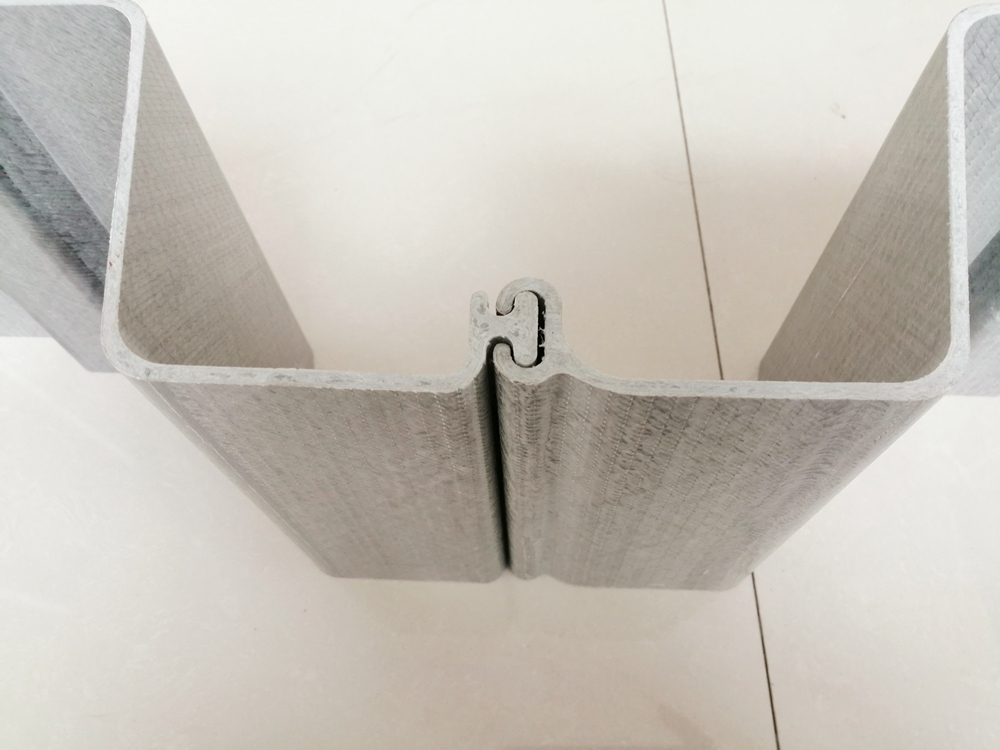
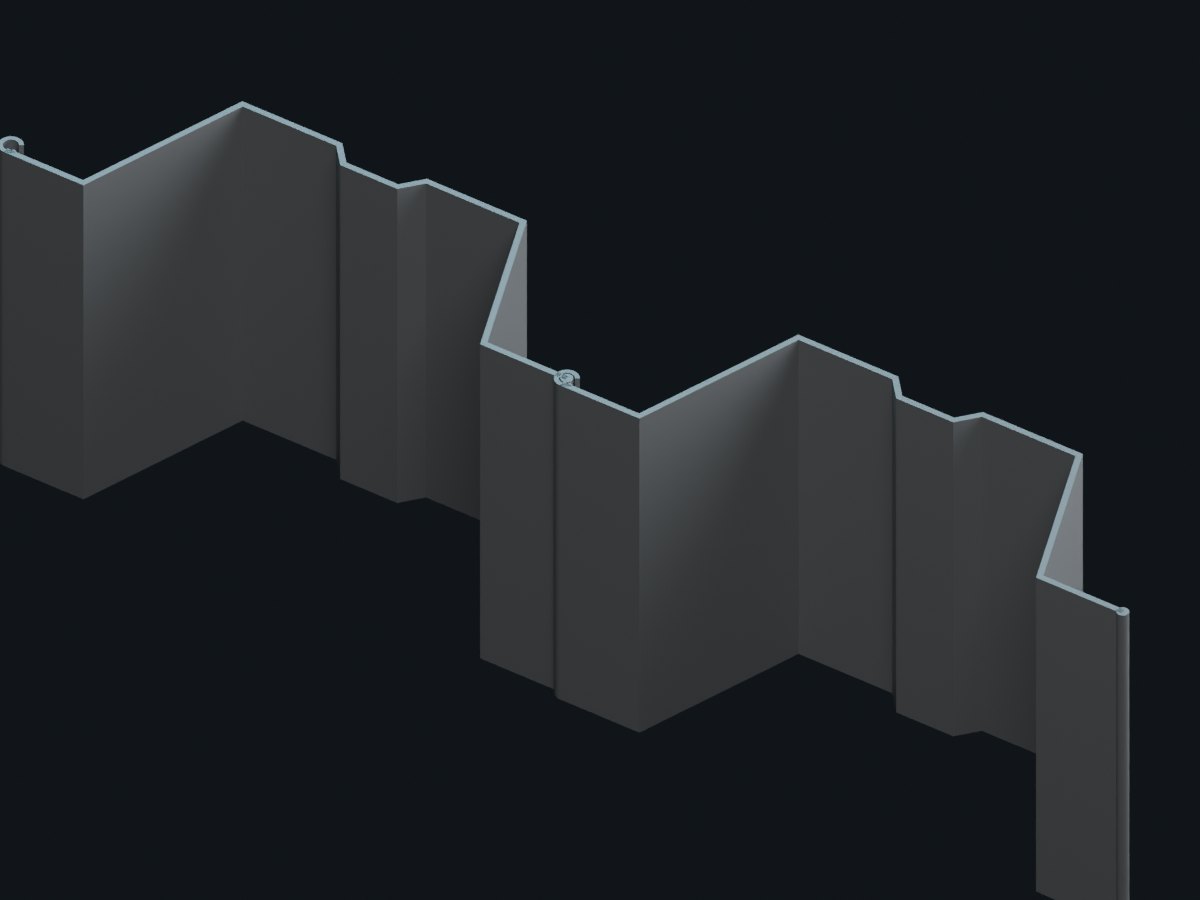
Their lightweight construction can simplify handling, while the interlocking edge design allows adjacent panels to connect and form a continuous shoring wall when installed as part of an appropriate system.
Selecting a shoring system requires more than choosing a material. Excavation dimensions, soil conditions, nearby loads, groundwater, installation methods, and engineering requirements must all be considered.
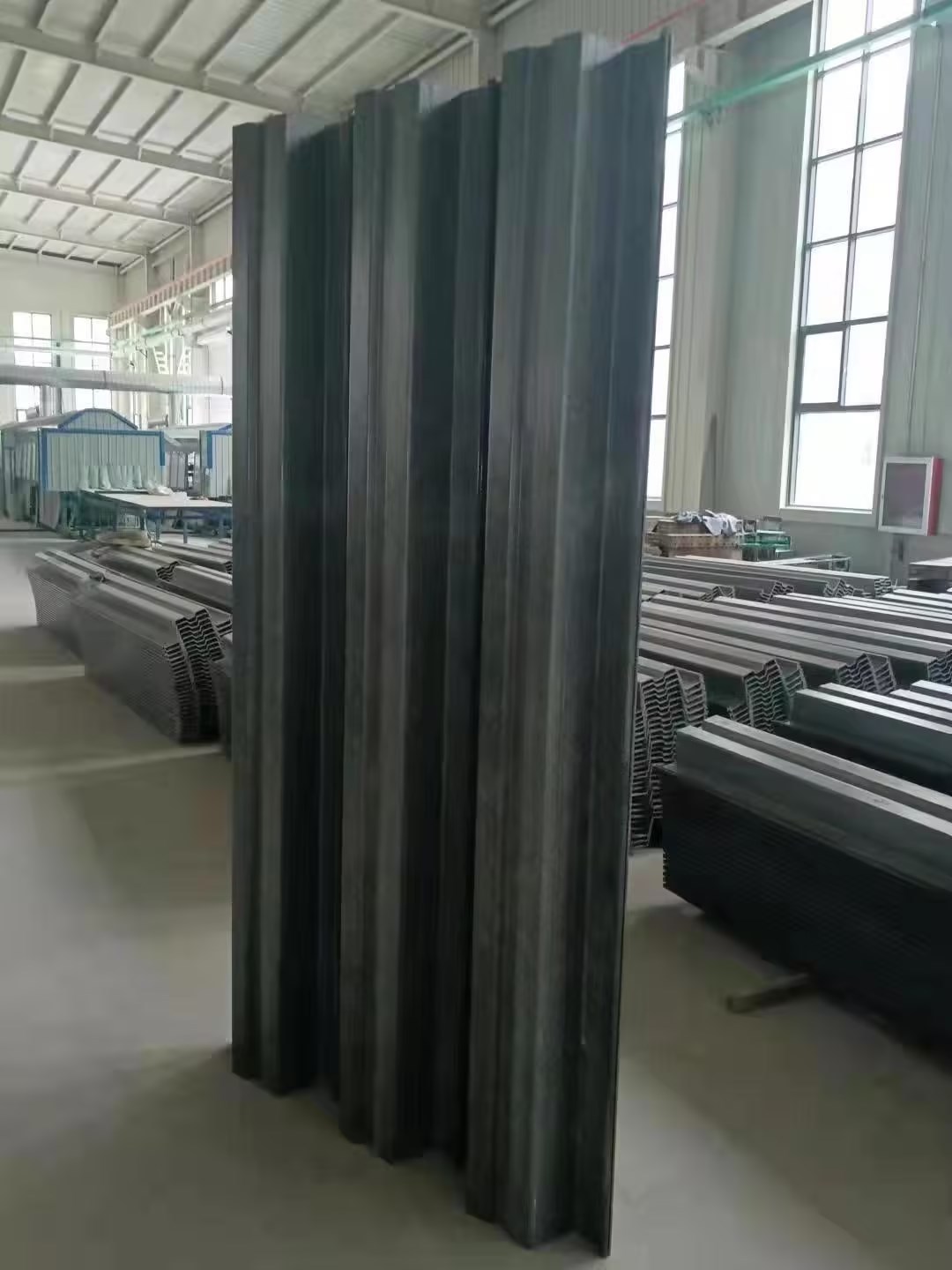
Helps simplify panel handling, subject to panel dimensions and approved handling procedures.
The practical panel design can simplify handling and installation when used according to the applicable instructions.
Interlocking edges connect adjacent panels to create a continuous shoring wall within the designed system.
FRP does not rust like iron or steel. Suitability still depends on product specifications and exposure conditions.
Panels may be considered for selected excavation and infrastructure applications after technical evaluation.
The panel edges are designed to interlock with adjacent panels when installed correctly, helping create a continuous shoring wall within the intended system.
The wall's capacity to resist soil pressure, water pressure, and surrounding loads depends on panel specifications, installation, support arrangements, engineering design, and actual site conditions.
Review the excavation, soil, water, and surrounding loads before a system is selected.
Set and interlock the panels according to the approved system and its instructions.
Check the installation and the required support measures before work continues.
Every excavation is different. Suitability depends on soil, excavation depth, nearby loads, water conditions, installation methods, and engineering design.
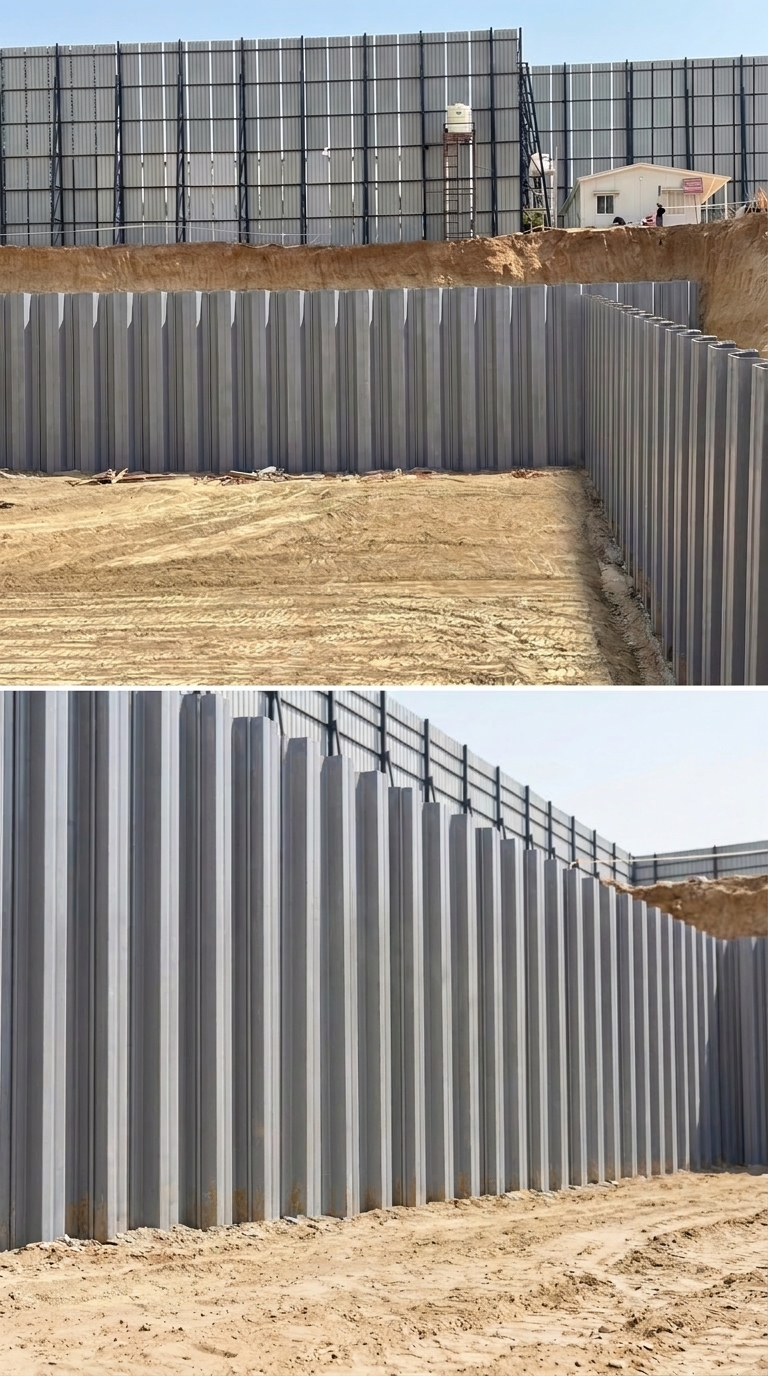
For supporting excavation sides during suitable foundation work, in line with the approved design and site requirements.
For suitable trench work tied to water, drainage, power, and communications, after the technical fit and the relevant authority requirements are checked.
For selected excavations on road, utility, and infrastructure projects, according to the work and the support the design calls for.
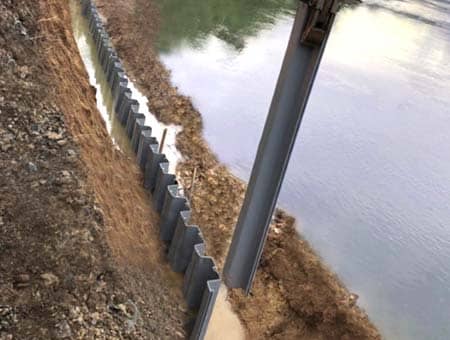
Panels can be studied as part of selected arrangements for managing water on an excavation. They are not, by themselves, a complete dewatering system or a watertight barrier.
Where a temporary support system is required, and only when the panel specification, design, and installation method fit the actual conditions.
Other uses can be reviewed by the project team after the technical, environmental, and operating requirements are understood.
The lowest purchase price does not always produce the lowest project cost. Handling, installation, labor, equipment, schedule, support requirements, and maintenance can all affect the overall economics.
When evaluating FRP shoring panels, consider their weight, handling, installation method, product specifications, and suitability for the intended application. Compare alternatives on a like-for-like technical basis.
We believe a good solution begins with understanding the problem and selecting a product suited to the work.
Stratiek focuses on practical construction solutions and clear product information to help customers evaluate options for their projects.
FRP shoring panels are made from fiber-reinforced polymer. Panels with interlocking edges can be connected to form shoring walls in suitable excavation applications, according to the product characteristics and the engineering design.
Notable characteristics include light weight, straightforward handling and installation, and an interlocking edge design. They are made from FRP and do not rust the way steel panels do.
The panel design can make handling and installation easier. The actual method depends on the system design, the manufacturer's instructions, and site requirements, and it should be carried out by qualified people following the approved procedure.
No shoring system should be assumed suitable for every condition. Soil type, excavation depth, nearby loads, groundwater, and the support method need to be assessed, and the panel and system specifications must fit that application.
They can be considered for suitable utility-trench applications and for some road and infrastructure excavations, according to the technical requirements, the engineering design, and site conditions.
Not necessarily. The comparison depends on project requirements, loads, excavation depth, the environment, the installation method, and total cost. The system should be chosen from a proper technical assessment, not from the material type alone.
That should not be assumed from the panels alone. Dewatering and leakage control depend on system design, hydrology, soil, joints, and any pumping or sealing the work requires. Water requirements should be assessed separately.
Contact us on WhatsApp and send what you know about the project: the type of application, location, approximate excavation dimensions, quantity, and schedule. That helps the discussion and shows which technical details are needed for a suitable quotation.
Stratiek is a building-solutions company in Dammam, Saudi Arabia. Contact us to ask about FRP shoring panels and the applications that may suit your project.
Tell us about your project and site requirements. Our team can discuss the features of FRP shoring panels and help you explore whether they are suitable for your application.